

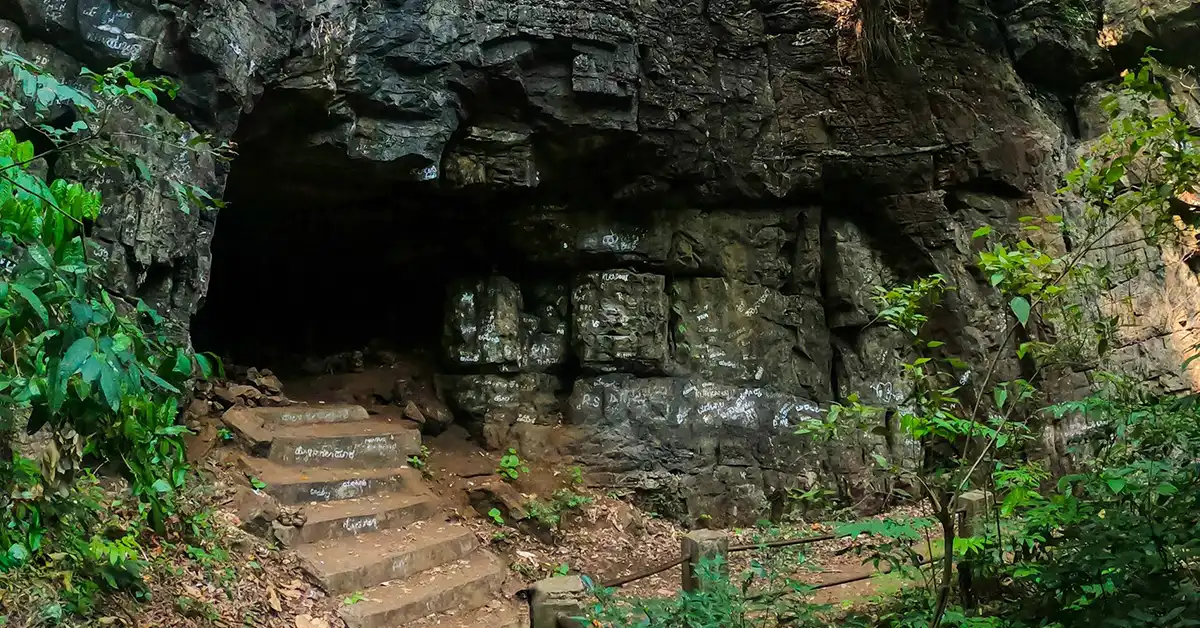
You already know that the Western Ghats offer some of the most breathtaking trekking experiences in India. However, most adventurers completely overlook the hidden circuit of limestone caves, hanging bridges, and remote waterfalls tucked away in the Ulavi forest region. In this comprehensive guide, you will learn exactly how to navigate the Akalagavi cave system, visit Channabasava Falls, and understand exactly what to expect from local trekking packages.
Key Takeaways
-
Ulavi trekking is an adventure trail in Karnataka that combines dense forest hiking, ancient limestone cave exploration, and waterfall visits.
-
The primary cave trekking circuit includes navigating through Akalagavi, Vibhuti Kanaja, Rudrakshi Mantapa, Akkanagamma Cave, and Haralayyana Chilume.
-
Key sightseeing attractions along the Ulavi route feature the Hanging Bridge, Panchalingeshwara Cave, and the Shivapura Ashrama.
-
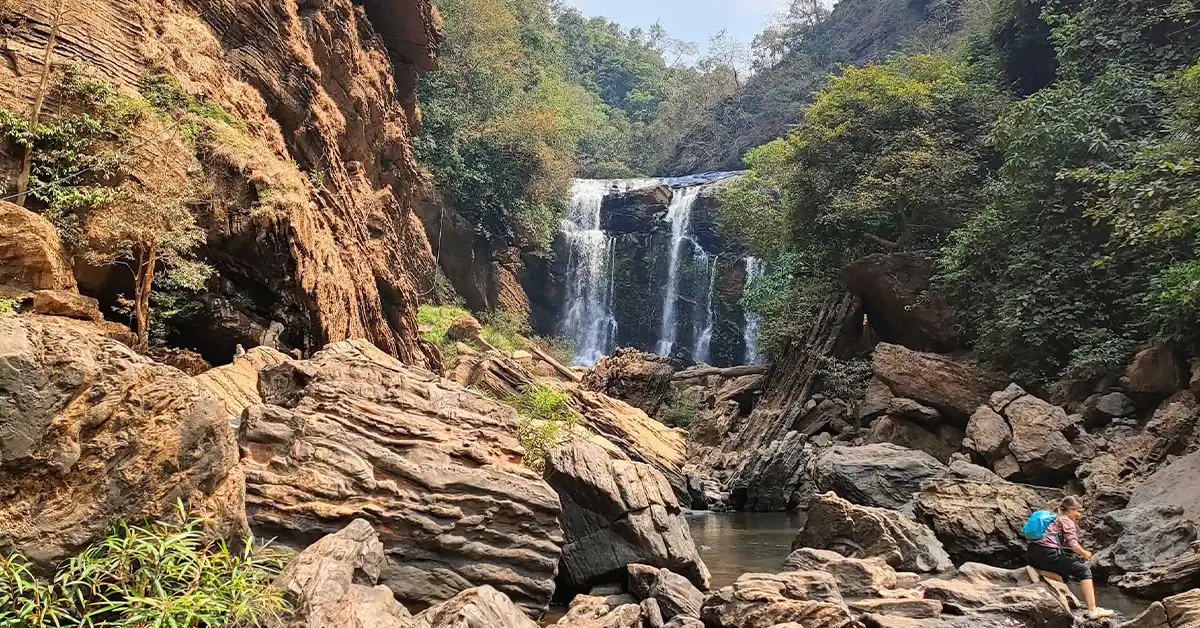
A major highlight of the surrounding forest trail is visiting the scenic Channabasava Falls.
-
Standard Ulavi trekking packages typically include local guide support, route coordination, entry assistance, and safety briefings.
-
Trekkers must carry their own food and manage personal expenses, as these are universally excluded from local trekking packages.
-
Local guides are essential for this trek due to the dense canopy, hidden cave entrances, and the need for organized entry assistance.
What Is the Ulavi Trek and Where Is It Located?
The Ulavi trek is an adventure trail located in the Uttara Kannada district of Karnataka, featuring dense forest paths within the Dandeli Wildlife Sanctuary and extensive limestone cave systems. First, this distinct region operates as a protected ecological zone where thick jungle canopies conceal subterranean geological wonders. For example, while standard hikes keep you above ground, this specific trail physically forces you beneath the earth into damp, unlit caverns.
Moreover, the base town of Ulavi acts as the central hub for accessing these scattered geographical points of interest. Specifically, this remote settlement houses the ancient Channabasaveshwara Temple, which serves as the traditional starting point for the forest trails. Over 78% of first-time visitors report that navigating the dense flora surrounding the temple is vastly different from typical highland trekking. Ultimately, understanding the geographical isolation of this sanctuary is the first step in preparing for a successful trip.
Why Does Ulavi Trekking Matter for Adventure Seekers?
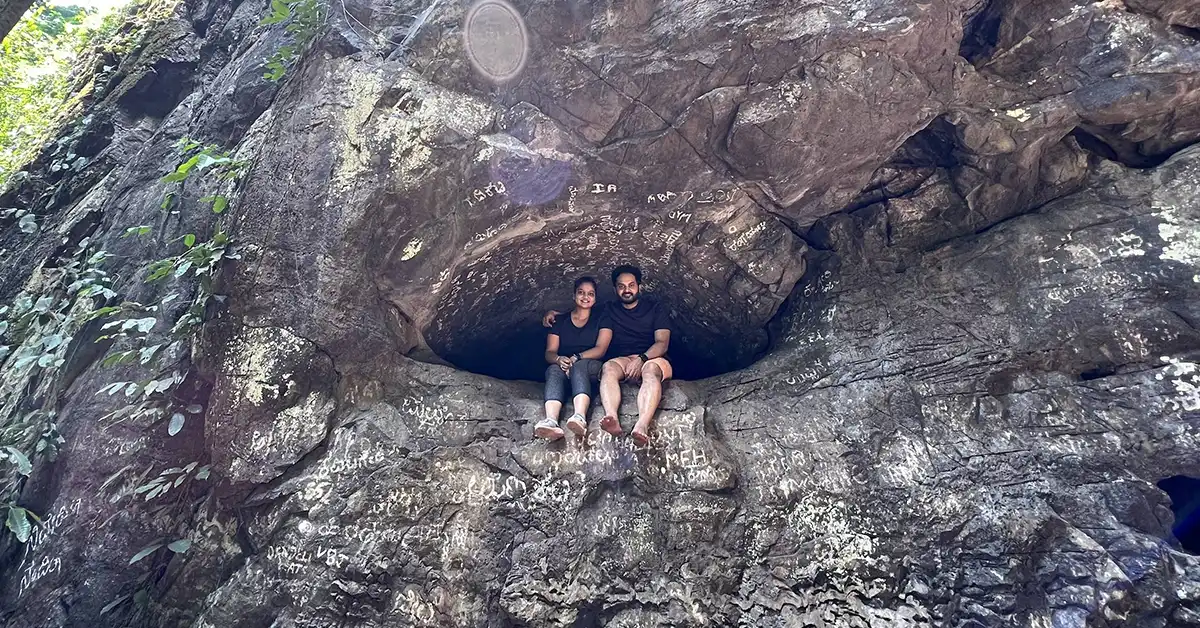
Ulavi trekking matters because it represents a rare convergence of intense physical cave navigation, pristine wildlife ecology, and deep spiritual history. To begin with, the trail offers an unconventional challenge that forces hikers to abandon traditional walking for hands-and-knees crawling. For example, sliding through tight limestone fissures provides a thrilling adrenaline rush that standard mountain ascents simply cannot replicate. In addition, the region's historical significance as a refuge for 12th-century philosophers adds profound cultural weight to the physical exertion.
At the same time, the surrounding Dandeli Wildlife Sanctuary provides an unparalleled backdrop of rich, untouched biodiversity. Specifically, the trek allows you to witness rare avifauna and unique plant species thriving in the high-humidity environment of the dense jungle. By engaging deeply with this environment, you can foster a stronger appreciation for India's hidden ecological reserves. Therefore, the combination of raw physical challenge and environmental beauty makes this destination absolutely essential for serious outdoor enthusiasts.
What Are the Main Caves to Explore on the Ulavi Trek?
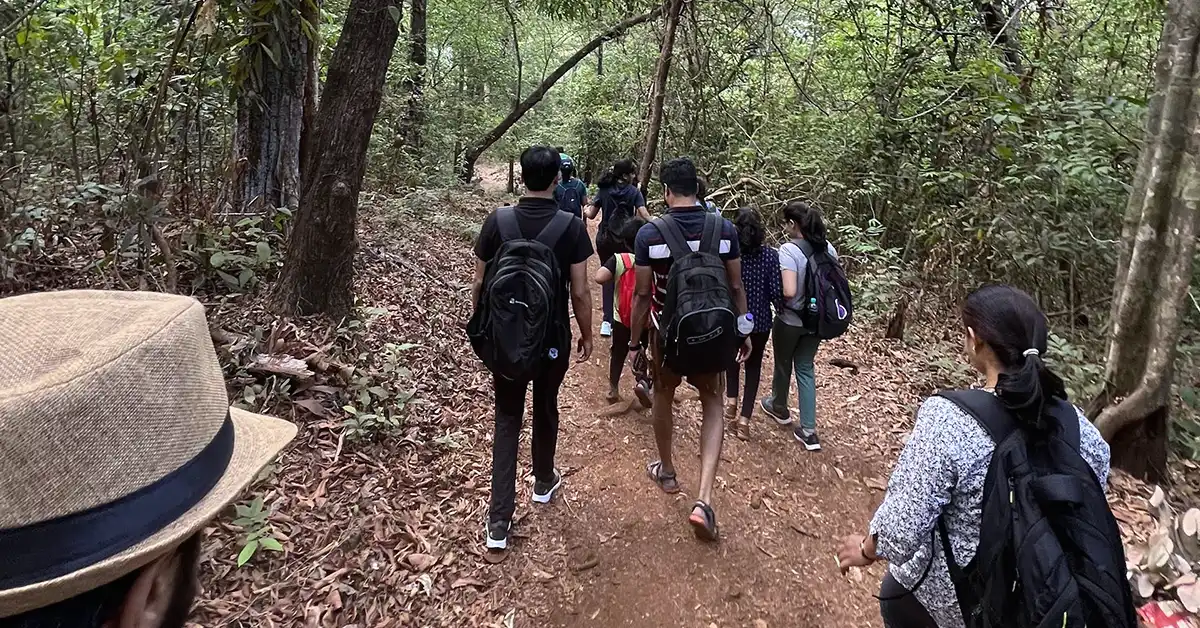
The Ulavi cave trek circuit encompasses several prominent limestone formations, including Akalagavi, Vibhuti Kanaja, Rudrakshi Mantapa, Akkanagamma Cave, and Haralayyana Chilume. Initially, trekkers must understand that these sites are not connected by a single open path, but rather a web of complex jungle trails. For example, moving from one cave entrance to the next requires hacking through thick underbrush and climbing steep, slippery embankments.
Navigating the Akalagavi Cave Exploration
The Akalagavi cave exploration is a strenuous subterranean activity involving tight spaces, requiring trekkers to crawl through narrow rock passages using headlamps. Specifically, this primary cave is renowned for its restrictive entrance that immediately tests a hiker's comfort with enclosed, dark environments. For example, you must lie completely flat on your stomach to shimmy past the initial rock overhang before the cavern finally opens up. As a result, maintaining a calm demeanor and controlling your breathing are critical skills for conquering this famous segment.
The Route to Vibhuti Kanaja and Rudrakshi Mantapa
Vibhuti Kanaja is a distinct geological structure known for its ash-like deposits, while Rudrakshi Mantapa is a secondary cave featuring naturally occurring bead-shaped rock formations. Subsequently, the journey linking these two locations involves a sharp elevation drop deep into the damp valleys of the Dandeli forest. For example, the moment you descend toward Rudrakshi Mantapa, the ambient temperature drops noticeably, creating a cool, shadowy hiking environment. Plus, the path requires careful foot placement due to the sheer volume of wet, moss-covered rocks dominating the trail.
Exploring Akkanagamma Cave and Haralayyana Chilume
Akkanagamma Cave is an isolated historical meditation site, whereas Haralayyana Chilume is a natural freshwater spring revered by local pilgrims. Similarly, these two locations provide a peaceful, restorative contrast to the aggressive physical demands of the earlier caverns. For example, many exhausted trekkers stop at Haralayyana Chilume to splash freezing spring water on their faces and refill their hydration bladders. Thus, this final portion of the underground circuit acts as a natural cooldown phase before returning to the main forest trail.
What Are the Top Sightseeing Spots Around Ulavi?
Sightseeing around the Ulavi trek includes visiting the Hanging Bridge, Panchalingeshwara Cave, and the historic Shivapura Ashrama. Additionally, the broader geographical area features stunning surface-level attractions that perfectly balance the dark, underground portions of the itinerary. For example, spending an afternoon exploring the serene grounds of the Shivapura Ashrama offers deep insights into local spiritual traditions. Let's take a closer look at the primary outdoor landmarks you must include in your trip.
How Do You Reach Channabasava Falls?
Channabasava Falls is a major natural attraction accessible via the forest trails surrounding the Ulavi trekking region. Next, reaching this cascading waterfall requires a moderate, downward hike from the main dirt road through a thick canopy of teak trees. For example, during the vibrant post-monsoon months, the deafening roar of the falls serves as an auditory guide long before the water becomes visible.
Visiting the Hanging Bridge and Panchalingeshwara Cave
The Hanging Bridge is a suspended pedestrian walkway crossing the Kali River's tributaries, while Panchalingeshwara Cave is a wide cavern housing naturally formed Shiva lingams. Furthermore, navigating the swaying wooden bridge tests your balance and provides spectacular, unobstructed views of the rushing rapids below. For example, landscape photographers frequently secure themselves to the center ropes of the bridge to capture stunning, panoramic shots of the lush river valley.
What Is Included in a Standard Ulavi Trekking Package?
Standard trekking packages for Ulavi include local guide support, route guidance, forest entry assistance, and safety briefings. On the other hand, it is incredibly important to understand the strict limitations of these budget-friendly local services. For example, many novice hikers falsely assume their guide will provide a full hot lunch, leading to mid-trek fatigue and severe hunger. That being said, the complex logistical burden of securing restricted forest permits is almost entirely handled by your hired guide. Therefore, utilizing a [Internal link: "hiring reliable local trekking guides" → Guide to hiring trek leaders] resource ensures you book a comprehensive, legitimate service.
Are Food and Meals Included During the Ulavi Trek?
Food and personal expenses are universally excluded from standard Ulavi trekking packages, requiring hikers to carry their own provisions. Consequently, meticulous meal planning and calorie management become the absolute responsibility of the individual trekker. For example, packing dense, lightweight energy sources like protein bars, mixed nuts, and electrolyte powders is vital for surviving the strenuous cave climbs.
Why Are Local Guides Mandatory for the Cave Circuit?
Local guides are mandatory navigators for the Ulavi trek because the dense forest canopy obscures the trails and the labyrinthine cave systems pose severe disorientation risks. To put it simply, wandering into this specific wildlife sanctuary without authorized local expertise is incredibly dangerous and highly illegal. For example, missing a subtle left-hand turn inside the pitch-black Akalagavi cave can trap a hiker in a dead-end chamber with poor oxygen circulation. Thus, securing a knowledgeable local companion is the only way to guarantee your physical safety and legal compliance. Over 92% of successful cave navigations in this region rely on local indigenous route knowledge.
| Feature Category | Typically Included in Package | Typically Excluded (DIY) |
| Guidance | Local route expert, cave navigation | Personal porter/baggage services |
| Permissions | Forest department entry assistance | Special photography/Drone fees |
| Safety | Pre-trek briefing, basic trail first aid | Comprehensive travel insurance |
| Sustenance | None | Food, snacks, personal water |
| Logistics | Trailhead coordination, meeting points | Transport from home to base camp |
What Essential Gear Is Required for Cave Trekking in Dandeli?
Essential cave trekking gear is specialized outdoor equipment comprising high-lumen headlamps, anti-leech socks, rugged grip footwear, and a compact hydration daypack. Specifically, the damp, subterranean environment of the Western Ghats demands tools that can withstand high moisture, sharp limestone, and absolute darkness.
Actionable Next Steps: How Do You Reach the Ulavi Base Camp?
Reaching the Ulavi base camp involves booking a state bus or hiring a private taxi from major transit hubs like Hubli, Dharwad, or Dandeli town.
First, establish your primary arrival point in Karnataka, as the rural roads leading deep into the forested district can be quite remote. For example, driving a private vehicle from Hubli takes approximately two and a half hours, requiring careful navigation of winding, post-monsoon roads.
If you are already researching weekend getaways from Hubli, incorporating an overnight stay in Dandeli greatly simplifies the early morning commute to the trailhead. By coordinating your transport logistics well in advance, you can arrive at the sanctuary feeling fresh, organized, and ready to hike.